Automated Load Balancing for EV Fleets
What’s it For?
Automated load balancing in Tenix Charge controls and optimises charging power across connected vehicles. By dynamically distributing available power, it prevents overloads, reduces peak demand, and keeps charging reliable without manual intervention.

Why Power Control Matters
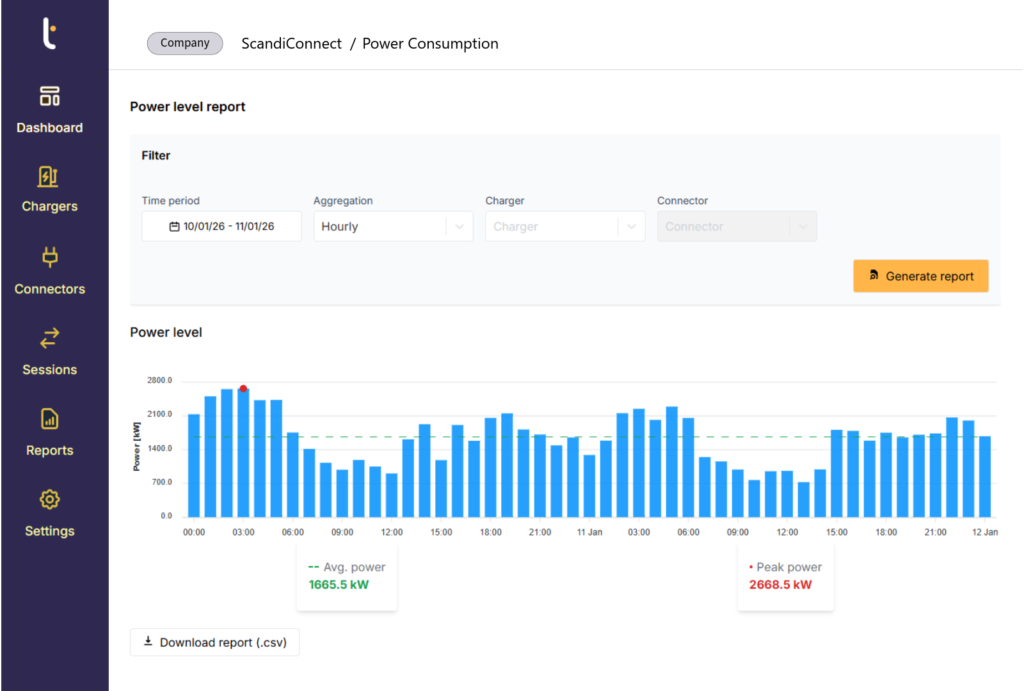
Depots with large fleets often face a mismatch between charging demand and available grid capacity. When multiple vehicles charge at full power simultaneously, sites risk exceeding limits leading to demand charges, blown fuses, or unplanned outages. Without automated coordination, teams rely on manual routines or conservative limits that slow charging and restrict scaling.
What Automated Load Balancing Provides
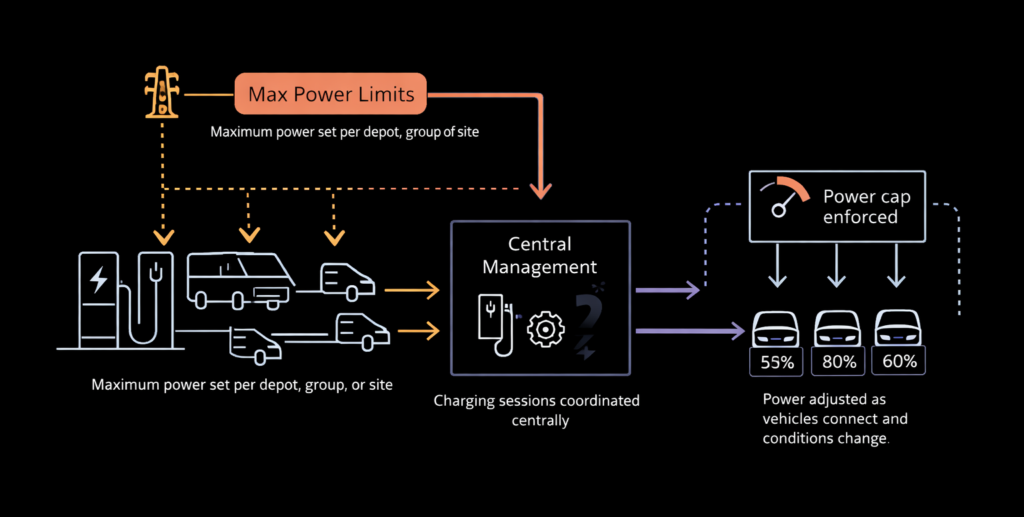
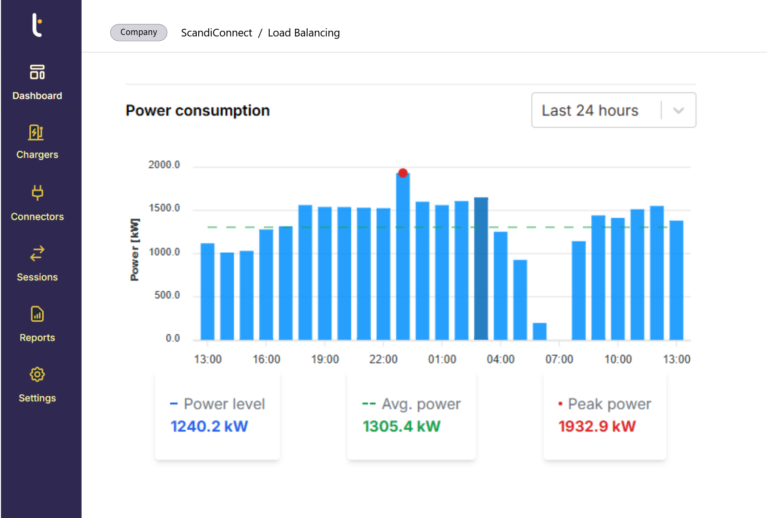
Automated load balancing ensures total charging power across a depot or charger group stays within predefined limits. Instead of chargers operating independently, Tenix Charge manages charging centrally and continuously adjusts power distribution based on real-time conditions. This keeps charging controlled and predictable while protecting infrastructure.
How Automated Load Balancing Works
Operators set maximum power limits at depot or charger-group level based on grid capacity and site constraints. When vehicles connect, charging sessions are coordinated centrally. Tenix Charge allocates available power across active sessions and recalculates allocation in real time as vehicles connect, disconnect, or charging conditions change. Where operational needs require it, operators can prioritise specific vehicles while overall limits remain enforced.
Key Capabilities
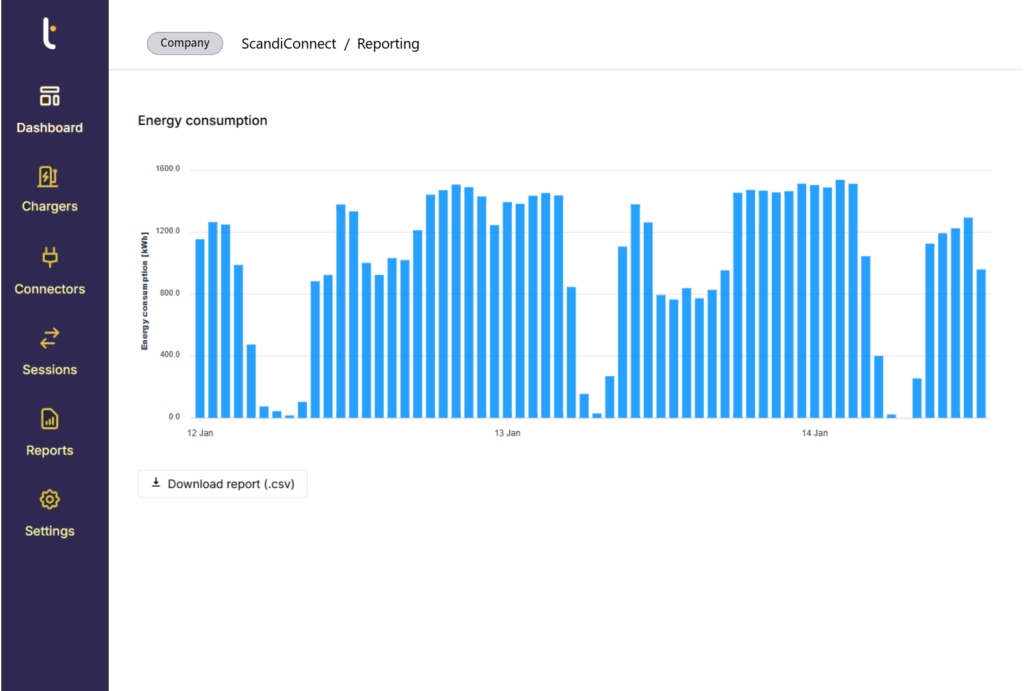
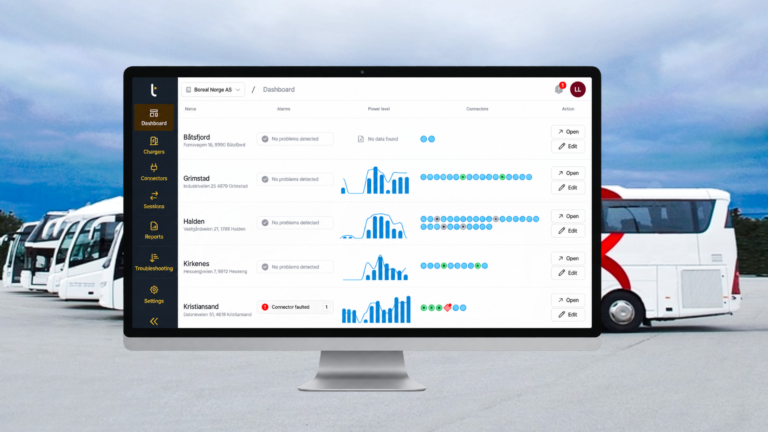
Real-time monitoring capabilities provide a clear, live view of charger availability, charging activity, power usage, and vehicle state of charge across the fleet.
Depot level power caps
Set a site-wide power limit to protect grid and fuse constraints.
Charger-group power caps
Apply limits per charger group for more granular control.
Real-time power adjustment
Power is redistributed dynamically across active charging sessions.
Integration with smart charging priorities
Load balancing works alongside charging schedules and vehicle priorities.
Frequently Asked Questions
Got a different question? Just contact us and ask.
Does automated load balancing slow down charging?
It may slow down charging as power charging is adjusted dynamically to ensure vehicles are charged within power limits according to priority.
Can operators override the system?
Yes, the boost feature allows operators to prioritize charging of specific vehicles when needed.
Does load balancing require new hardware?
No, automated load balancing is implemented through software using existing charging infrastructure.
Explore
Resources for Improving Charge Operations
READY TO GET STARTED?
Join hundreds of satisfied operators using Tenix
To start the conversation, contact us.
Book a demo English (UK)
  Norsk bokmål
  Français