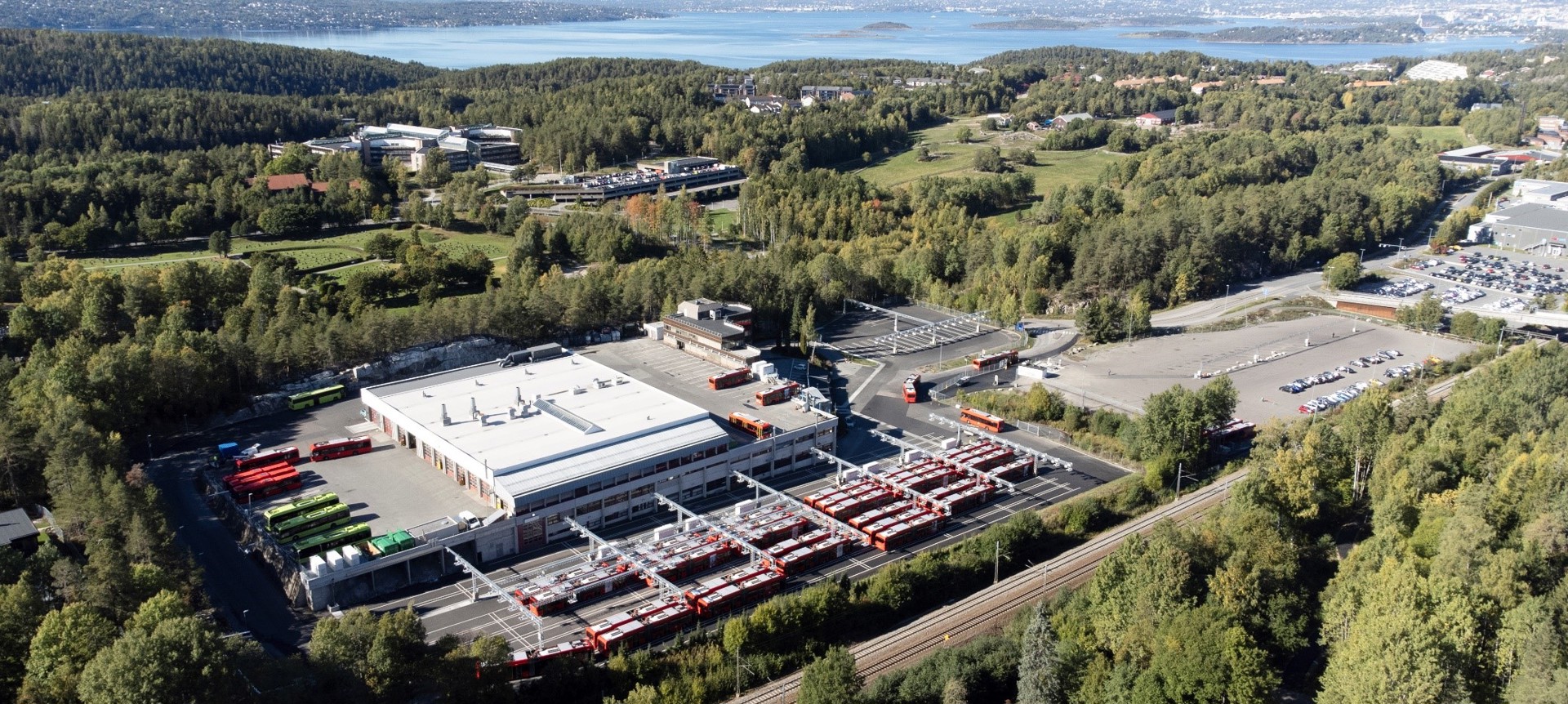
When Connect Bus Rosenholm opened as Oslo’s first fully electric bus depot, it was a bold experiment. New buses, new chargers, new routines, almost everything about the newly electrified operation had to be redesigned. Four years later, the depot runs with a consistency that many depots still struggle to achieve.
Rosenholm handles around 40,000 departures a month. It serves 19 routes across Oslo. It maintains a fleet of 109 electric buses, supported by 162 charging points spread across tight parking rows. And it does it in a climate where winter consumption on articulated buses can hit 1.95 kWh/km.
Much of the original infrastructure at Rosenholm now counts as “first generation” and so what makes it run smoothly is not a perfect setup. What keeps the electric bus depot steady is how the experienced team of shift leaders manages it, and how they use Tenix Charge as their operational control system.
Managing Complexity, Hour by Hour
With 10 years in the industry, Operations Manager Robert McCallum has seen the before and after of electrification. Before electrification, running a depot was simpler, with fewer constraints and fewer surprises. Today, his focus is on ensuring the buses are charged to go out as scheduled: “The key is having enough buses ready when we need them. Everything else depends on that.”
His day ranges from staffing and safety to delivering the financial results linked to the Ruter (Oslo’s public transport authority) performance model. Reliability affects bonuses and penalties, so every missed departure has a direct impact on bottom line.
Next to him is Dan Magnus Berntzen, Technical Leader, who oversees buses, chargers, parking flow, electricians, workshop coordination, and 24/7 shift operations. “It’s a varied job,” he says with a smile. His team processes driver reports at 08:00, reviews the previous day at 08:30, and then moves into a full day of allocating buses, monitoring faults, and reacting to whatever Oslo’s traffic and weather might throw at them.
Parking rows shift constantly. Return times rarely match the plan. And on snow days (not uncommon during a Norwegian winter), charging windows compress sharply as buses crawl back late and with a lower SoC than expected.
The System They Rely on 20–30 Times a Day
Rosenholm’s electric bus depot infrastructure predates most modern “smart” capabilities. Charge management is limited by the hardware, and bus parking positions aren’t perfectly detected, but to keep the operation predictable and optimized, the team needs a system that tells them what is happening on the ground, and that is where Tenix comes in.
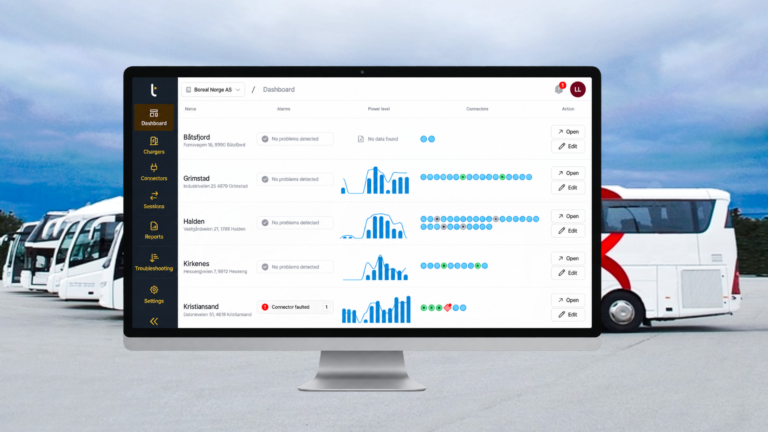
“Tenix is one of the main tools we use to follow both buses and chargers,” Dan explains. “It’s the system that shows us how much power needs to go into each bus, which ones are actually charging, and if a bus has lost the handshake to a charger.”
On a typical day, they receive 20–30 alerts about handshake issues between chargers and vehicles. These are fixed quickly because Tenix notifies us of them before the charge window closes. The team can also see SoC for every bus, check progress against the departure plan, and identify which vehicles must switch from slow to fast charging to stay on track.
The Annual Winter Stress Test
Everyone at Rosenholm thinks about winter. In an electric bus depot, keeping buses warm is a major energy draw. Consumption spikes and a snowfall can throw the parking plan into chaos. And when road traffic grinds to a halt, the entire depot’s charging sequence compresses into far fewer hours.
Yet last winter went well, and the team expects the same this year.
“We’ve solved most of the early challenges,” Robert says. “Winter will always be demanding for electric fleets, but we’re confident.”
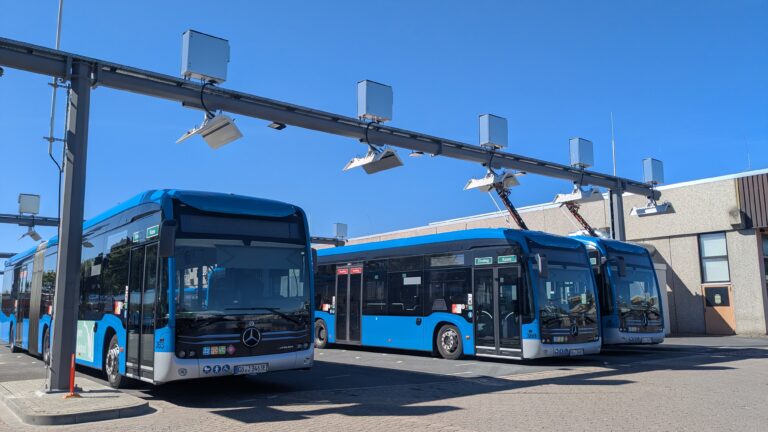
Tenix plays a role here, too. When windows shrink, the team can see exactly which buses will fall short and adjust charging priorities before it becomes a problem. They can also track whether a bus is charging properly: there are a few quirks that can disrupt pantograph alignment, such as losing air suspension pressure or cleaners boarding or disembarking from the bus. Tenix helps them keep a close eye on this.
Reliability Has a Financial Footprint
Ruter ties operational bonuses and penalties to performance. A depot that keeps more buses ready earns more. A depot that consistently misses departures pays for it.
Rosenholm has learned that digital control is as important as physical hardware. The calculation is straightforward: The better they manage charging, the fewer spare buses they need to absorb disruptions. And fewer spares translate directly into lower operational cost. Robert is clear on that: “Reliability drives the financial result. Both Tenix Charge and Tenix Maintenance contribute to that by helping us keep more vehicles available when we need them.”
The Dream Electric Bus Depot
When asked what their ideal future depot looks like, Robert and Dan list three things:
- More flexible charging infrastructure – including true variable charging and more available power.
- Better parking accuracy – so allocation becomes faster and less manual.
- Smarter charging options – letting them charge when they choose, not when they have to.
But even with its current setup, Rosenholm proves that electrification works at scale when operations have a digital backbone that reflects reality minute by minute.

 English (UK)
  Norsk bokmål
  Français