Nettbegrensninger og elbilflåtelading
Veiledning for lading av en elektrisk flåte med begrenset nettkapasitet
De fleste elektriske bussdepoter har allerede mer ladekapasitet installert enn strømnettet kan støtte. Etter hvert som flåtene vokser, blir dette gapet større. I motsetning til ladere kan du ikke bare bestille mer nett-kapasitet og få den neste måned. Oppgraderinger av nettet tar 12 til 24 måneder, koster hundretusener av euro, og enkelte steder gjør nettverksbegrensninger utvidelse vanskelig uansett budsjett.
Denne guiden dekker hva begrenset nettkapasitet betyr i praksis for elbusoperatører, hvorfor de instinktive reaksjonene ofte ikke fungerer, og hvordan depoter klarer å lade flåten pålitelig innenfor de gjeldende strømgrensene.
2-3X
Typisk etterspørsel vs. tilgjengelig nett kapasitet ved toppankomst
20-30%
Av energikostnader som typisk kan tilskrives effektavgifter
8 000–10 000 €
Månedlige energibesparelser per 100 busser med smartnettstyring
1-2 år
Typisk tidslinje for nett oppgradering. Smart koordinering gir denne tiden.
DET STRUKTURELLE PROBLEMET
Hvorfor nett kapasitetsgrenser elbilflåtelading
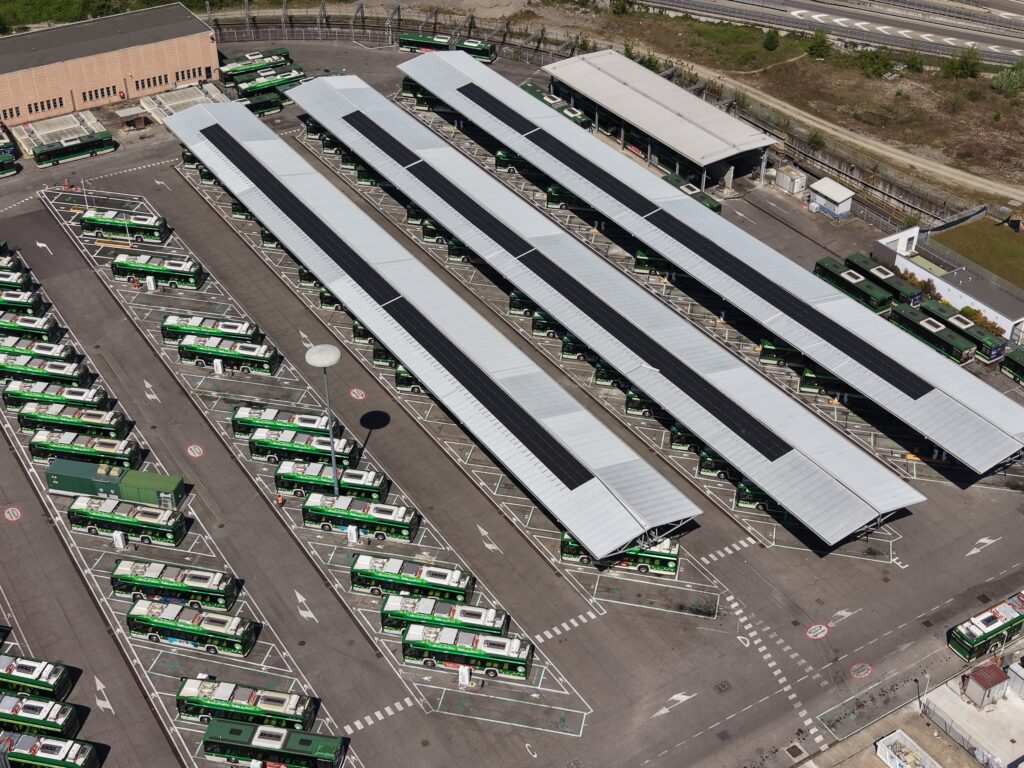
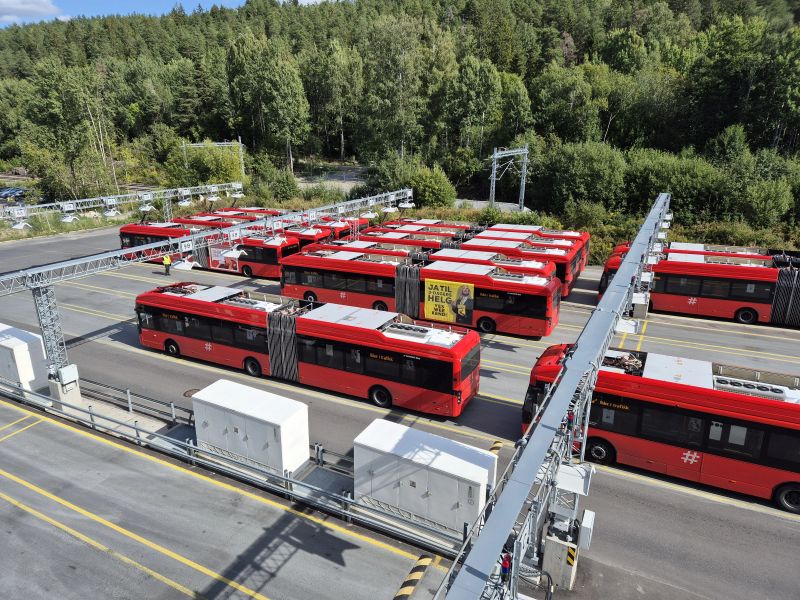
Nettbegrensninger er et strukturelt problem. Elektriske busser returnerer vanligvis til depotet i forutsigbare, konsentrerte tidsvinduer, ofte én til to timer etter kveldstopptrafikken. Når mange busser ankommer samtidig, kan deres samlede ladingskrav være to til tre ganger høyere enn det depotets nett kan håndtere.
For eksempel kan et depot ha en nettforbindelse på 3 MW, men laderne kan trekke 6 til 8 MW, og de fleste kjøretøy må lade i løpet av den samme to-timersperioden. Dette er ikke en planleggingsfeil; det er rett og slett slik kollektivtrafikkflåter opererer. På grunn av faste rutetider kommer bussene tilbake samtidig, noe som skaper en konsentrert etterspørsel.
For operatører som lader en elektrisk flåte med begrenset nettkapasitet, ligger løsningen i koordinering, ikke infrastruktur.
OPERASJONELLE KONKVENSER
Hva skjer når ladebehovet overstiger tilgjengelig effekt
Uten aktiv koordinering støter depoter som lader en elektrisk flåte med begrenset nettkapasitet på en forutsigbar sekvens av problemer.
Ladekonflikt
Når mange kjøretøy prøver å trekke strøm samtidig, kan depotet overskride nettets grense. Dette kan føre til bøter fra nettoperatøren, eller laderne kan automatisk senke effekten. Som et resultat reduseres ladehastigheten, og avreisetidspunktet kan bli truet.
Ufullstendig lading
Når ladetider er uforutsigbare, når kanskje ikke kjøretøyene den nødvendige ladetilstanden før avgangsvinduet deres. For en operatør av offentlig transport representerer en buss som drar med utilstrekkelig lading en kontraktsrisiko som kan medføre straff eller omdømmetap.
Manuell inngripen som norm
Depot-ansatte må overvåke ladenivåer på flere systemer, velge hvilke kjøretøy som skal prioriteres, overstyre automatiske kontroller og ta raske beslutninger når det blir travelt. Hver person håndterer disse situasjonene på sin egen måte. Denne metoden fungerer ikke godt etter hvert som driften vokser.
Økende energikostnader
Ukoordinert lading fører til perioder med høyt strømforbruk som øker toppbelastningstakstene for hele faktureringsperioden. Disse avgiftene utgjør ofte 20 til 30 prosent av de totale energikostnadene ved store depoter. Selv én dårlig administrert overnattingstasjonering kan gjøre månedsregningen mye høyere.
Disse problemene er forårsaket av en mangel på operasjonell kontroll over begrenset makt, ikke på grunn av mangel på ladere.
En vanlig misforståelse
Hvorfor det å legge til infrastruktur ikke løser problemet
Den naturlige reaksjonen på ladegrenser er å legge til kapasitet: flere ladere, kraftigere ladere eller en nettverksutvidelse. I virkeligheten adresserer ingen av disse den underliggende utfordringen.
Installasjon av flere ladere øker ikke den tilgjengelige kapasiteten på strømnettet. Hvis en depots tilkobling leverer 3 MW, endrer ikke installasjon av flere ladere denne grensen. Det betyr at flere ladere konkurrerer om den samme begrensede kraften.
Høyere effektsåverkninger akselererer individuelle økter, men intensiverer toppbelastningen. Et depot som erstatter 50 kW-ladere med 150 kW-ladere, vil nå nettets grense raskere hvis ladingsatferden forblir ukoordinert.
Nettverksoppgraderinger er den riktige langsiktige løsningen for depoter som virkelig trenger mer kapasitet, men de hjelper ikke på kort sikt — og tidslinjen er typisk 12 til 24 måneder. Operatører som bruker smart koordinering med sin nåværende kapasitet, finner ofte at de kan forsinke oppgraderinger fra 60%elektrifisering helt til 85–90% , og unngår dermed betydelige kapitalutgifter i prosessen.
Spørsmålet er hvordan man skal fordele strøm man allerede har på konkurrerende lademål på en måte som reflekterer operative prioriteringer.
PRAKTISKE STRATEGIER
Hvordan administrere elbil-lading med begrenset nettkapasitet
Uten aktiv koordinering støter depoter som lader en elektrisk flåte med begrenset nettkapasitet på en forutsigbar sekvens av problemer.
01
Dynamisk lastfordeling
Tilgjengelig nettverkskapasitet fordeles dynamisk mellom aktive ladingsøkter i stedet for å gi hver lader et fast effektnivå. Når kjøretøy er ferdige med ladingen eller reduserer strømforbruket, blir den kapasiteten omfordelt til andre som fortsatt lader. Depoet holder seg jevnt på eller nær nettgrensen, i stedet for å overstige den under travle ankomstvinduer og stå ubrukt ellers.
02
Flåtebasert prioritering
Ladebeslutninger er basert på operasjonelle behov, ikke ankomstrekkefølge. En buss som går kl 05:30 på en lang langdistanserute trenger full lading. En buss på en kort byrute som går kl 09:00 kan vente. Et kjøretøy som allerede er på 80% ladning trenger kanskje ikke å lade i det hele tatt den natten. God nettstyring betyr at systemet forstår disse forskjellene og handler automatisk.
03
Tidsbasert optimalisering
Lading flyttes til tider da nettet har mest kapasitet og energi koster mindre. Tilgjengelig strøm endres over natten avhengig av annen bruk i depotet, som belysning, oppvarming og vedlikehold. Energipriser varierer også fra time til time. For et depot med 100 busser reduserer flytting av lading til utenom rushtiden vanligvis energikostnadene med 10–15%. Kombinert med reduksjon av toppbelastning kan dette spare €8 000–€10 000 i måneden bare på energi.
04
Kontinuerlig sanntidsjustering
Ladeplaner som er laget tidlig på kvelden, overlever ikke virkelighetens påvirkning uendret. Kjøretøy kommer sent. Ladere feiler. Tidsplaner endres. Et system som styrer nettbegrenset lading, må oppdatere prioriteringer, omfordele strøm og utløse varsler uten å kreve manuell inngripen hver gang forholdene endres.
TO FORSKJELLIGE PROBLEMER
Strategier for elbilflåtelasting og toppkutt
Lastbalansering og toppklipping tar for seg relaterte, men forskjellige problemer, og det er verdt å være presis om forskjellen
Lastbalansering
Lastbalansering sørger for at den totale effekten som brukes av alle ladingsøkter aldri overskrider nettet sin kapasitet. Dette gjøres ved dynamisk å justere effekt og senke eller sette mindre viktige økter på pause for å frigjøre effekt til økter med høyere prioritet. Uten dette vil enten depotet gå over nettgrensen, eller laderne reduserer effekten uforutsigbart, uten garanti for at de riktige kjøretøyene blir beskyttet.
Lastreduksjon
Håndtering av kostnadspåvirkningen fra etterspørselstopp. Mange energitakster baserer toppmaksavgifter på den høyeste effekten som brukes i en 15- eller 30-minutters periode i faktureringssyklusen. Én time med ukontrollert lading kan sette toppladingsprisen for hele måneden. Toppspissing flytter ladingen bort fra disse vinduene for å holde den registrerte toppen så lav som mulig.
Både lastbalansering og peak shaving krever den samme kapasiteten: sanntidsinnsikt i hver lader og hvert kjøretøy, forståelse av flåtens operative prioriteringer og evnen til kontinuerlig å omfordele strøm mellom økter. For operatører av offentlig transport må lastbalansering og peak shaving oppnås uten å kompromittere kjøretøyets beredskap.
10-15%
Typisk energikostnadsreduksjon fra lading utenom topplast alene
15-25%
Peak loadreduksjon med smart lastbalansering
8 000–10 000 €
Kombinert månedlig energisparing
per 100 busser
Argumentet for smart ladeprogramvare
Smart Lade-programvare for Flåter med Begrenset Nettkapasitet
Å drifte en flåte med elektriske busser innenfor begrenset nettverkskapasitet er ikke noe som skalerer med bedre regneark eller mer oppmerksomt depopersonale. Variablene er for mange, tidsvinduene for korte, og konsekvensene av feil for direkte.
Et system for ladeadministrasjon bygget for flåtedrift håndterer koordineringen automatisk. Det kobles til kjøretøytelematikk for å kjenne den gjeldende ladenivået og batteritilstanden til hver buss. Det kobles til planleggingssystemer som IVU, Hastus, og Hoppestang å vite når hvert kjøretøy må dra og hvor mye energi ruten krever. Det administrerer tildelingen av tilgjengelig nettverkskapasitet til alle disse behovene samtidig, kontinuerlig og uten manuell inngripen.
Flåter som administrerer lading innenfor nettets grenser ser konsekvente resultater:
Hver buss når nødvendig lading før avgang uten manuell prioritering
Depotet holder seg innenfor sin nettforbindelsesgrense
→ Topplastkostnader faller fordi etterspørselstopper unngås
→ nettverksjonsoppgraderinger som virket presserende ved 60% elektrifisering kan utsettes til 85–90%
Om Tenix
Tenix — Designet for lading av elektriske flåter med begrenset nettkapasitet
Tenix ble utviklet spesifikt for de operasjonelle kravene til elektriske bussflåter og kollektivtransport. I disse miljøene er nettverksbegrensninger en daglig realitet, avgangstider er faste, og et uladet kjøretøy har umiddelbare konsekvenser.
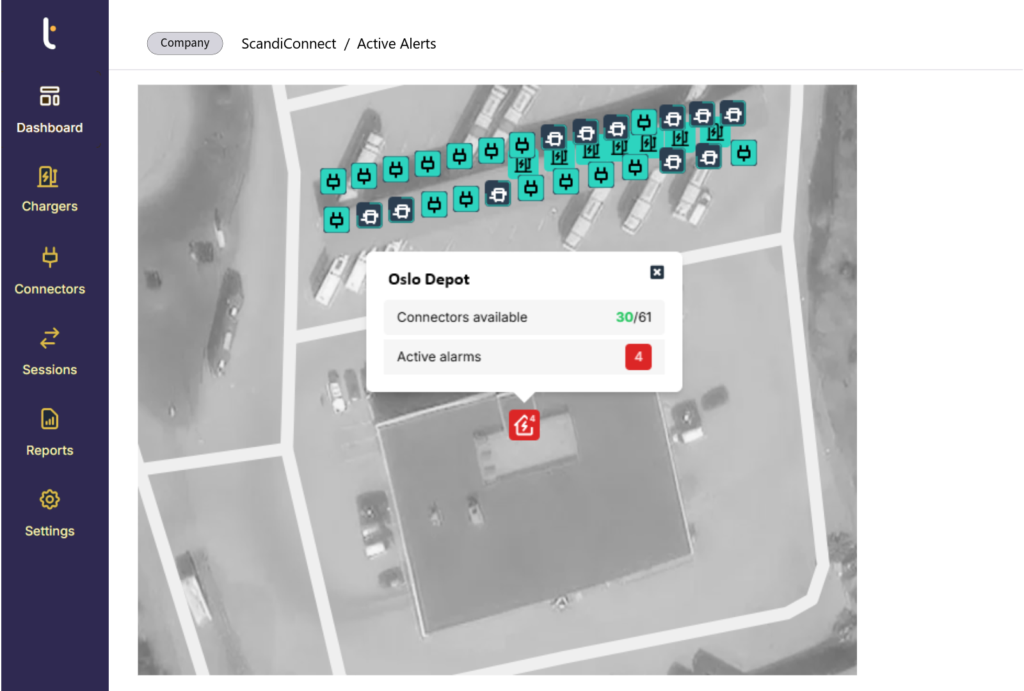
I stedet for å behandle ladingsøkter separat, administrerer Tenix lading som et koordinert system. Det allokerer dynamisk tilgjengelig strøm på tvers av flåten basert på avgangsprioriteter, energibehov for ruten og gjeldende batterinivåer. Ladeplaner justeres automatisk etter hvert som forholdene endrer seg over natten, og varsler vises før problemer påvirker morgenens drift.
Tenix integrerer med eksisterende systemer for flåtestyring og planlegging, fungerer med ladere eller kjøretøymerker, kan skaleres på tvers av flere depoter fra en enkelt plattform, og er bygget uten leverandørlås.
- Opptil 30% reduksjon i energikostnader
- Manuell inngripen for å håndtere nettbegrensninger eliminert
- Eksisterende nettkapasitet støtter en betydelig større flåte
- Investering i nettverksutbedring utsatt med flere år
- Ingen leverandørlås, fungerer med enhver lader eller kjøretøymerke
Se Tenix i aksjon
Be om en demo for å se hvordan Tenix støtter lading av elbilflåter i stor skala — fra intelligent planlegging og nettstyring til sanntidsdiagnostikk og koordinering av flere depoter.
Bestill demonstrasjonEller kontakt oss på sales@tenix.eu · +47 4777 0070
Utforsk
 English (UK)
  Norsk bokmål
  Français