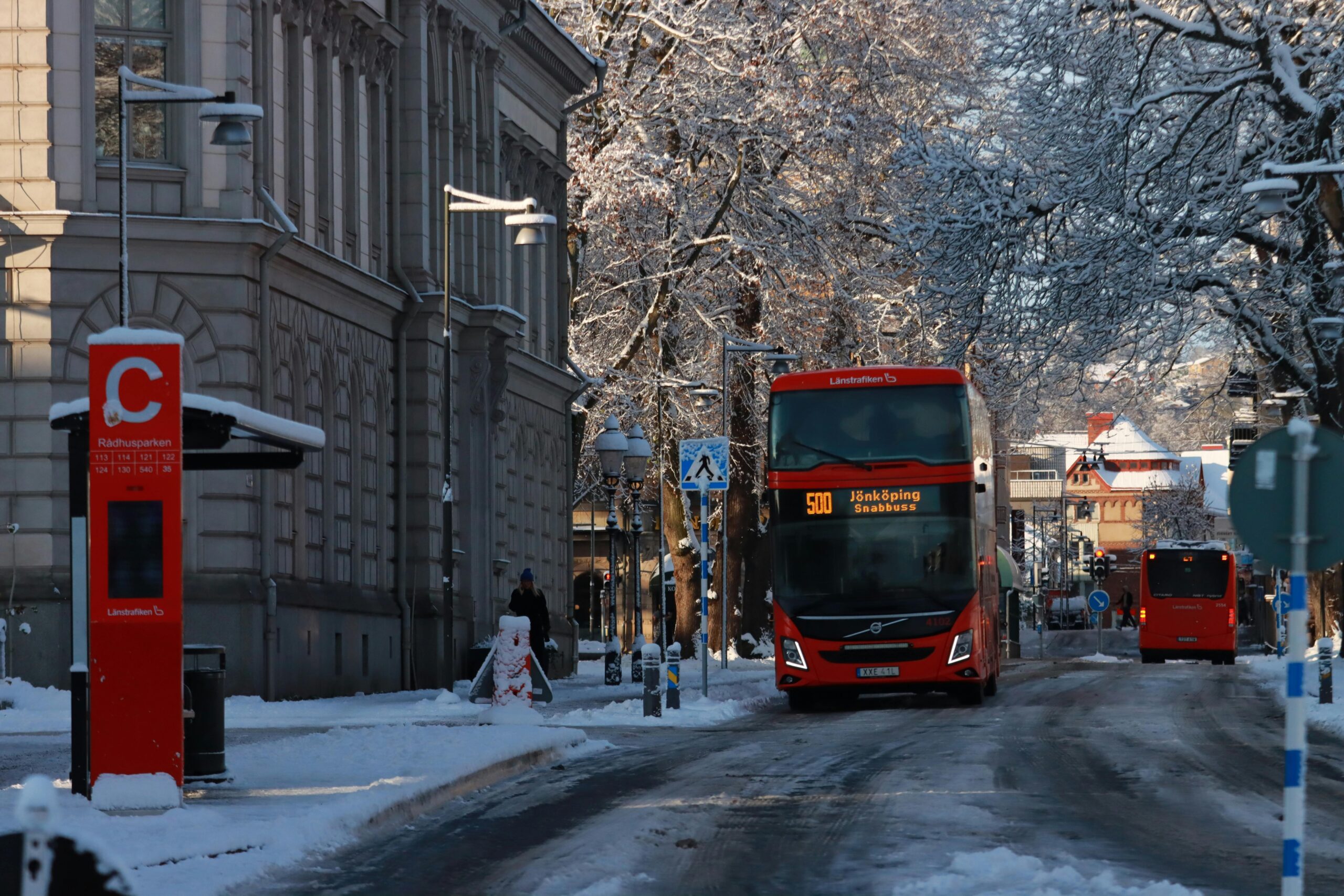
Vinterdrift av elektriske flåter viser tydelig hvor godt et depot drives. Hvis et depot kan kjøre problemfritt i iskaldt vær, kan det håndtere nesten hva som helst. Men hvis det sliter, vil flere ladere, nettoppgraderinger eller ekstra bemanning fortsatt ikke gjøre driften virkelig pålitelig. Hovedforskjellen kommer ikke fra maskinvaren; den kommer fra hvor godt ladeoperasjonen administreres, og nøkkelen til dette? Programvare for ladehåndtering.
Forrige vinter i Nord-Europa dekket tung snø ladestasjoner, og kontaktene frøs så mye at de måtte varmes opp før de ble fjernet. Lave temperaturer betydde også at ladere ga mindre strøm enn forventet, og batteriene mistet rekkevidde raskere, slik at bussene måtte returnere til depotet tidligere enn planlagt og lade oftere.
Depotteamene så batterinivåene endre seg i sanntid, usikre på om planene deres ville fungere. Selv de best forberedte teamene måtte justere prioriteringer, overvåke SoC nøye og endre ruter og avganger for å holde tjenesten i gang på en pålitelig måte. Noen depoter klarte det, andre ikke. Og som oftest var forskjellen hvor godt de håndterte lading.
Hvordan vinteren endrer ladeplanen
Batterier er følsomme for temperatur. I varmt vær mister de lading raskere på grunn av den ekstra energien som trengs til kjøling. I kaldt vær gir de mindre strøm og tar lengre tid å lade. En buss som vanligvis kjører hele dagen på én lading, kan plutselig trenge to eller flere. Kaldt vær påvirker også ladestasjoner. Ladere kan bli tregere, og det blir vanskeligere å holde seg innenfor strømnettets grenser. Selv om all maskinvaren fungerer bra, må depotteamene fortsatt kjempe seg frem når dårlig vær rammer uten en smart ladeplan, i stedet for å ha et system klart til å håndtere det.
Hva gikk galt for mange flåteoperatører i vinter
Forrige vinter slet mange strømdepoter med kulden. uavhengig vurdering av NorConsult fremhevet de største utfordringene operatørene sto overfor. Busser brukte mer energi i kulden og måtte lade oftere, noe som satte ekstra press på stramme tidsplaner. Ladeutstyret hadde også problemer, noen ganger sakket det farten eller leverte det ikke nok strøm i iskaldt vær.
Mange operatører startet morgenen med underprisede busser. Rutene måtte omorganiseres på kort varsel, og avgangene ble forsinket. I flere tilfeller førte dette til bøter fra transportmyndighetene som kunne vært forhindret med bedre driftsinnsikt. Depoter med manuelle faktureringsprosesser ble overbelastet da forholdene ble uforutsigbare.
Hvorfor manuelle ladeplaner faller fra hverandre om vinteren
Når temperaturene synker, blir det mye vanskeligere å håndtere vinterdriften av den elektriske flåten manuelt. Når forholdene endrer seg raskt eller uten forvarsel, kan ikke manuell planlegging holde tritt. Depotteam gjør sitt beste for å administrere alt og finne ut hvilke busser som trenger oppmerksomhet først, men i et depot med 100 busser er det vanskelig å få hele bildet og reagere raskt nok. Selv velutstyrte depoter slet i vinter. De hadde infrastrukturen og ladekapasiteten, men uten et system for kontinuerlig å balansere strøm, oppdatere ladeplaner og beskytte buffere uten konstant manuell inngripen, ble arbeidsmengden og uforutsigbarheten rett og slett for stor. Når beslutninger er avhengige av at folk fanger opp problemer i tide, forsvinner feilmarginen raskt, spesielt under temperaturer under null når bussene trenger lengre tid på å nå ønsket SoC.
Bevis fra nordiske forhold
Norge viser hvordan ladestyring fungerer under de tøffeste vinterforholdene. I en av de kaldeste vintrene i det siste brukte en stor operatør Tenix Charge holdt driften stabil, selv da temperaturene falt under minus tjue grader, og snøstormene varte i flere netter.
Over hele byen opplevde mange depoter lignende problemer. Laderne sakket farten, bussene kom tilbake med mindre lading enn forventet, og stramme nettbegrensninger ga lite rom for feil. Noen operatører slet med å få kontroll i tide til morgenens utrulling.
Flåter som brukte Tenix Charge hadde en annen opplevelse.
Ladeøkter ble planlagt og justert hele natten. Hvis en lader ble tregere, byttet systemet strøm for å sikre at de viktigste kjøretøyene var klare til bruk. Når været førte til høyere energibehov enn forventet, oppdaterte systemet ladeplanen deretter.
De beste depotene holdt ruteplanene sine med 95 prosent nøyaktighet i løpet av de kaldeste ukene. Morgenberedskapen forble høy, og det var langt færre manuelle reparasjoner som trengtes. Sjåførene startet skiftene sine med sine tildelte busser i stedet for å gjøre endringer i siste liten. Selv om forholdene var tøffe, forble ladeoperasjonen pålitelig fordi systemet proaktivt håndterte problemer før de forårsaket problemer.
Holde vinterdriftskostnadene nede
Vinteren påvirker også den økonomiske ytelsen til en elektrisk flåte. Uforutsigbar lading fører til høyere kostnader, økt energiforbruk, høyere toppbelastning og forsinkelser som forårsaker overtid for ansatte og straff for timeplanlegging.
Operatører som brukte strukturert ladestyring kunne kontrollere dette. De spredte ladingen utover natten basert på prognoser, og holdt energiforbruket stabilt i stedet for å la det øke i kaldt vær. Ved å unngå topper og lade mer i timer med lav tariff, holdt depotene strømkostnadene stabile og forutsigbare. Driftskostnadene ble håndtert på lignende måte. Nøye planlegging over natten betydde færre utrykninger sent på kvelden og mindre kjøring tidlig på morgenen. Sjåførene fikk kjøretøyene de forventet, og skiftledere trengte ikke å endre ruter i siste liten. Når lading er forutsigbar, er også lønns- og driftskostnader forutsigbare.
Hva vinteren lærer oss om elektrifiseringsberedskap
Vinteren viser oss at det å være klar for elektrifisering ikke bare handler om hvor mange ladere du har eller hvor stor nettforbindelsen din er. Det som virkelig betyr noe er om depotet ditt kan håndtere endrede forhold uten å miste kontrollen. Om vinteren er det mindre rom for feil, og manuell koordinering er ofte ikke nok. Depoter som bruker automatisert ladehåndtering, jobber med en livemodell av depotet i stedet for en fast plan. De kan se hvilke busser som er i faresonen, hvilke ladere som har bremset ned, og hvordan nettgrenser kan påvirke ladetidene. Etter hvert som ting endrer seg, oppdaterer systemet planen for å forhindre at små problemer utvikler seg til større problemer.
Elektriske flåter må fungere pålitelig i all slags vær. Vinteren viser at maskinvare alene ikke er nok til å sikre dette. Koordinert lading er det som gjør ladeinfrastrukturen virkelig pålitelig. Det bidrar til å holde energiforbruket stabilt, sikrer at kjøretøyene er klare til bruk og reduserer problemene som vinteren kan bringe. Depotene som presterte bra i fjor vinter var de som hadde dette ekstra laget på plass, noe som ga dem full kontroll selv under de tøffeste forholdene.




 English
  Norwegian